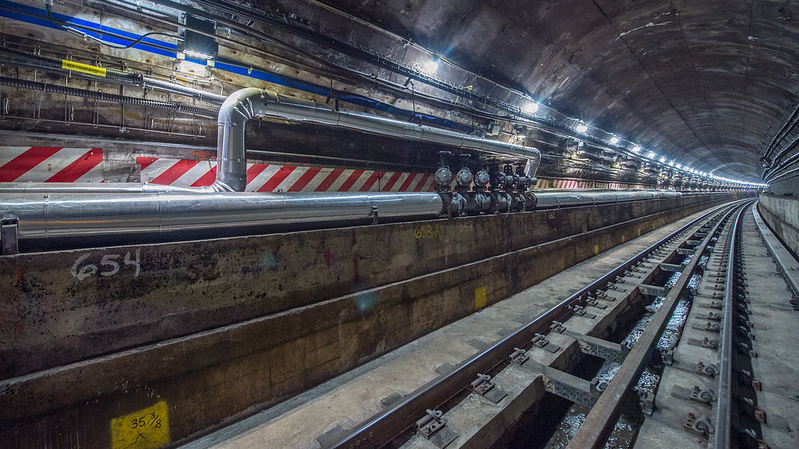
Read how Snake Tray’s patented cable racking system helped to speed up the restoration from damages incurred during Hurricane Sandy.
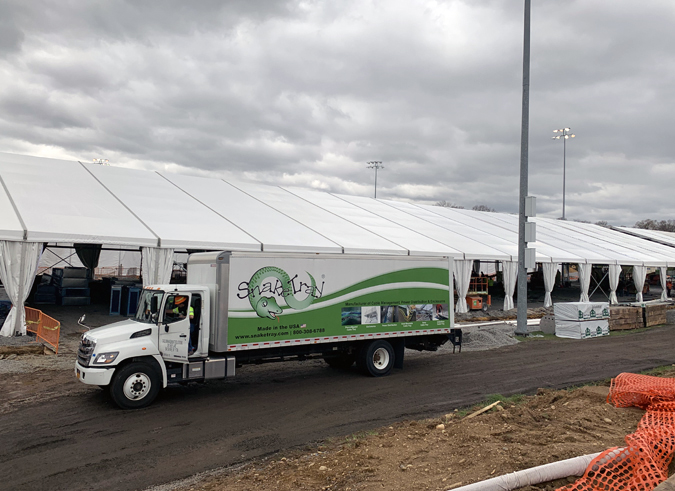
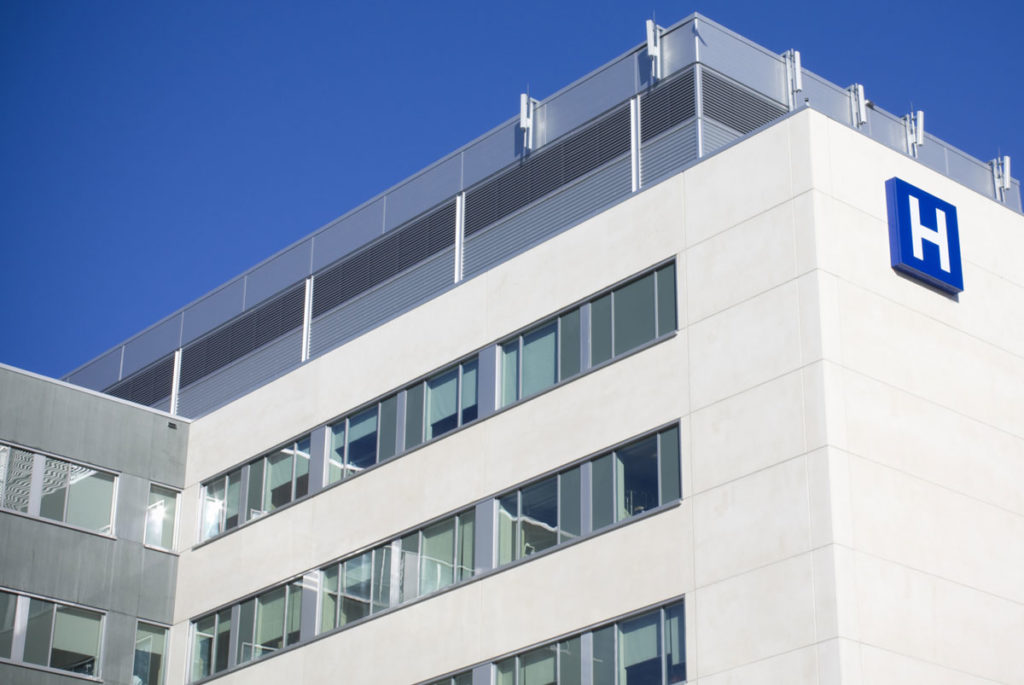
The coronavirus pandemic threatens to overwhelm the US healthcare system, especially in the epicenter of New York. In an effort to prepare for the peak of the outbreak, state officials commissioned the US Army Corps of Engineers (ACoE) to build a series of temporary field hospitals to absorb the expected overflow of COVID-19 patients. One of these sites is located on the State University of New York (SUNY) at Old Westbury campus.
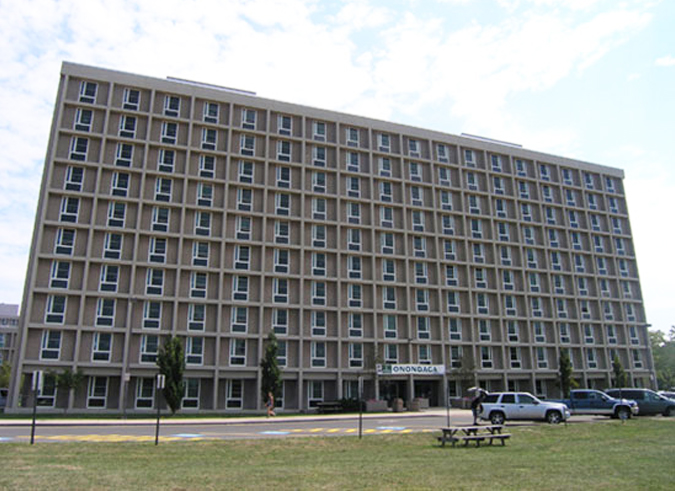
The Dormitory Authority of the State of New York (DASNY) is the entity that oversees dormitory construction and financing for all State University of New York campuses. When DASNY decided that several residence halls on the SUNY Oswego campus needed to be renovated for modern network connectivity and power, they knew just who to call.
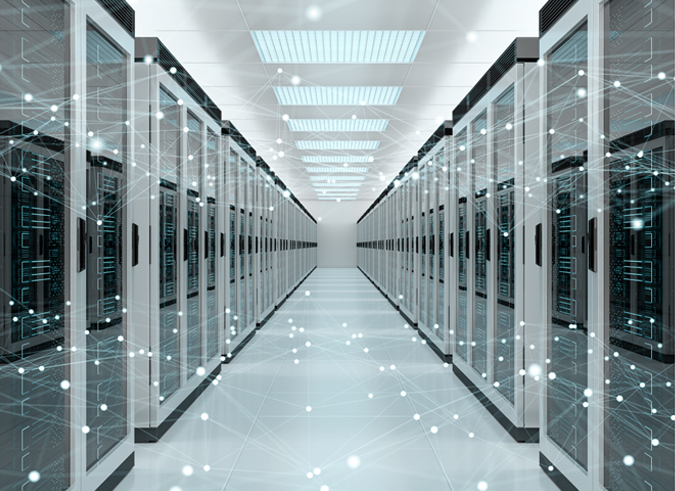
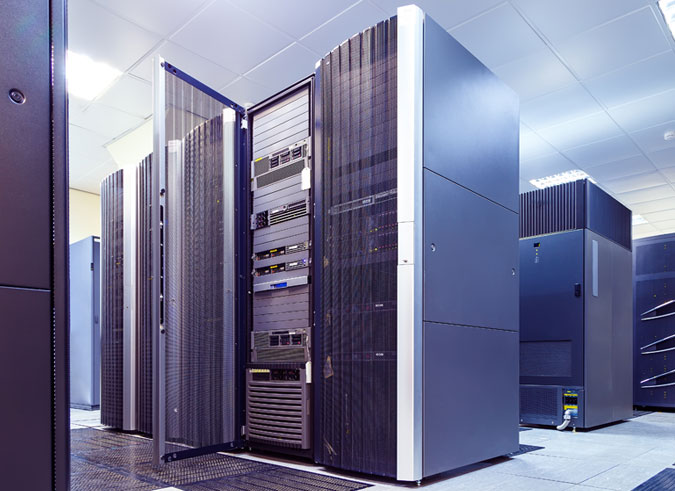
There’s a storm of data coming courtesy of high definition streaming services, next-generation apps and the explosion in the sheer number of connected users and devices. Data-reliant enterprises and internet service providers realize this volume can no longer be effectively managed by a centralized cloud model. They are moving to the Edge; breaking up their primary cloud and raining down micro data centers around the globe to reduce latency. Placing data, applications and content closer to employees and consumers yields better performance for an improved end-user experience, while building in failover and network resiliency. That’s the Edge, and many companies are in a rush to get there.
Building in capacity for future growth and flexibility pays dividends over time
It’s one thing to design a new building to incorporate the latest wireless networking technologies, but it’s quite another to retrofit a building constructed before the Information Age. Cosmetic upgrades aside, renovating a commercial structure built decades ago to enable the networking and power distribution technologies of today can be a labor intensive and expensive process. Most are of brick or cinder block construction designed without accessible interstitial spaces or raised access floors.
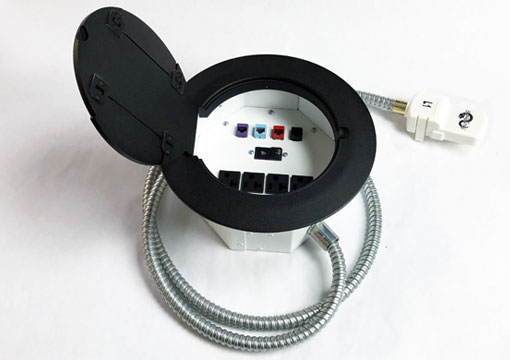
There are all kinds of data and power module enclosures available for access floors, but none quite like the Snake Tray CM 708.
What is Edge Computing?
Edge computing is one of the hottest trends in information management. It is a distributed computing model that uses a network of micro data centers, each with limited data storage and processing capabilities, to act as mid-points between users and the central cloud. So instead of communicating with a server farm located 3,000 miles away, the network can spin up a copy of a requested movie, file or application and move it to a server located only 100 miles away to vastly improve performance. Because even when moving data at the speed of light, distance creates latency.
I am the founder of a company that gets deeply involved in construction projects of all shapes and sizes. The types of products my company provides are part of the data, communications and electrical infrastructure of most any building under construction or renovation today. We manufacture products that are installed in interstitial spaces; under raised floors or above dropped ceilings. But we could be talking about any building sub-system here.
What is ASHRAE Standard 90.1?
In 1975 the American Society of Heating, Refrigerating and Air-Conditioning Engineers, Inc. (ASHRAE) first published a set of standards that provided minimum requirements for the energy-efficient design of most buildings, excluding low-rise residential buildings. Initially focused on the HVAC elements of construction, it has evolved to include the majority of mechanical (escalators, elevators, pumps, etc.) and electrical/lighting systems of a structure, intelligent building management systems (BMS), and even the building envelope itself to maximize energy conservation.