Aluminum Ladders – The Traditional Choice for Cabling Data Centers
Data center architects traditionally choose heavy duty aluminum ladders to create pathways for dense loads of high voltage power cables and large quantities of data cables.
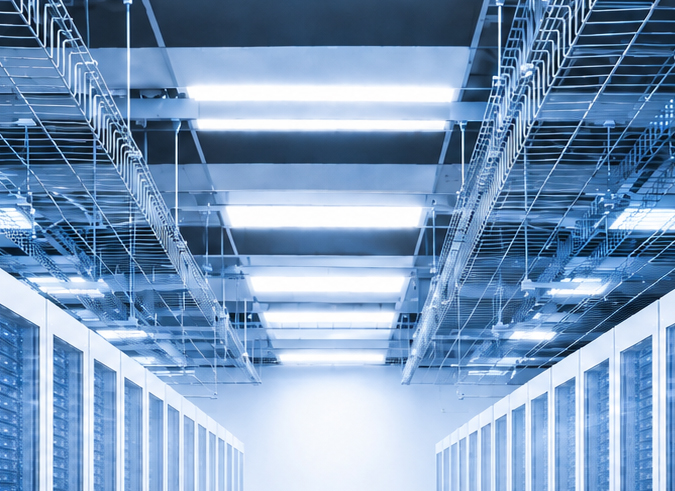
Data center architects traditionally choose heavy duty aluminum ladders to create pathways for dense loads of high voltage power cables and large quantities of data cables.
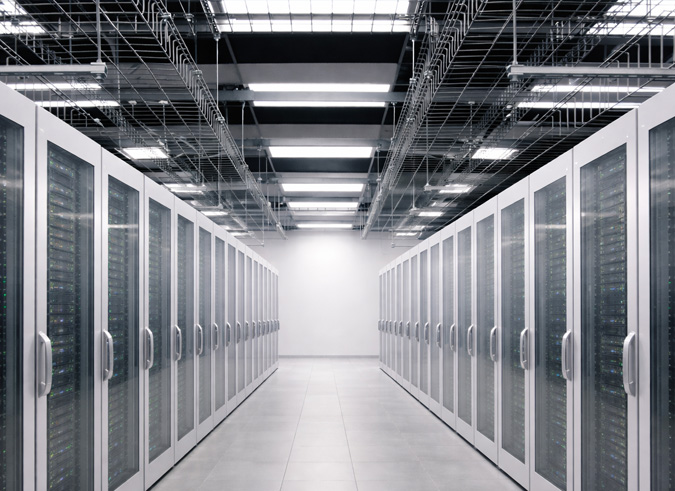
We can’t build data centers fast enough. A quick Google search shows over 2,700 new data centers are planned or currently under construction across the U.S. in 2026, ranging from small edge sites to co-location facilities and hyperscale campuses. This unprecedented expansion is being fueled by the rapid adoption of AI, machine learning, cloud and streaming workloads. These applications require huge quantities of electricity to power and cool the vast arrays of computers, data storage and networking resources that run them.

Bringing power and connectivity to the point of need is usually one of the final steps in any construction project and often requires the most flexibility. It isn’t until the end of a job when electrical contractors learn the provided custom enclosures weren’t designed or sized properly, that additional data lines and ports or an integrated power module are needed, or that the customer changed the floor layout, cubicle arrangement, or data port configuration without notice.

The data center industry is changing. Multiple external forces have come together that are accelerating demand for new data centers while simultaneously creating roadblocks to their construction.
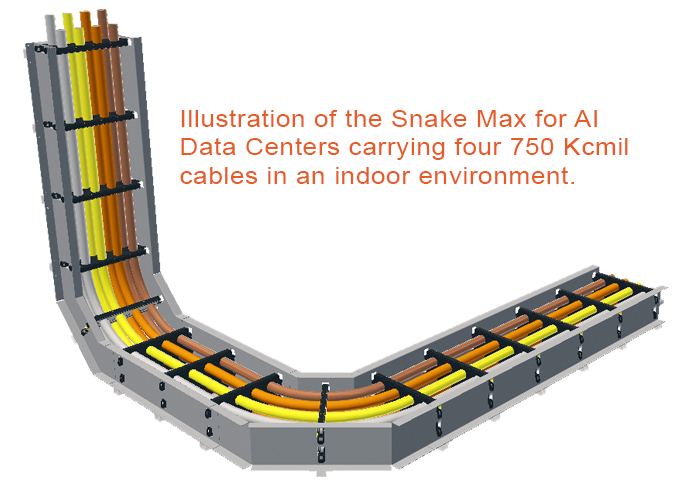
Welcome to the future of AI Data Centers Cabling. As Artificial Intelligence continues to reshape the tech landscape, the demand for efficient and advanced cabling solutions in data centers is soaring. In this article, we explore how Snake Tray is revolutionizing the cabling infrastructure to meet the unique demands of AI-driven data centers. Read on to discover how you can future-proof your data center for the AI era.
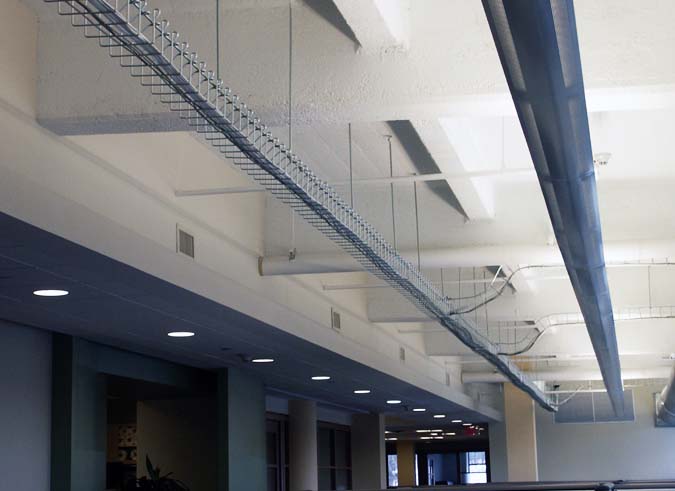
What’s old is new and hip again. Reviving a classic trend in workplace design.
For many decades the industrial architectural style featuring high open ceilings with exposed pipes, electrical wiring, lighting fixtures, and ventilation was extremely popular in large commercial offices, warehouses, and factories.

Data centers, especially hyperscale data centers, are power-hungry monsters with an insatiable appetite for electricity. In fact, after buying the land, constructing the building, installing all the racks and servers, and staffing it, the number one operating expense for any data center is utility power. Their carbon footprint is as big, if not bigger, than many manufacturing operations.

Data centers are like 21st century gas stations; there’s one popping up on every corner to handle the flood of network traffic. The difference is, you don’t see the pumps. But they’re there, pushing out the fuel – data – that drives our digital economy.
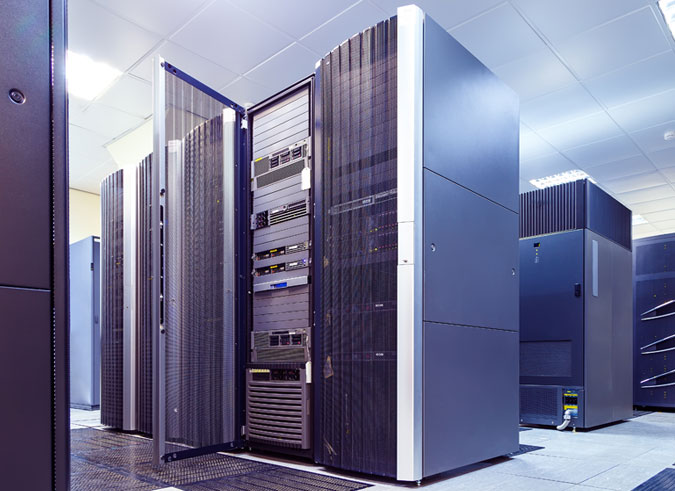
There’s a storm of data coming courtesy of high definition streaming services, next-generation apps and the explosion in the sheer number of connected users and devices. Data-reliant enterprises and internet service providers realize this volume can no longer be effectively managed by a centralized cloud model. They are moving to the Edge; breaking up their primary cloud and raining down micro data centers around the globe to reduce latency. Placing data, applications and content closer to employees and consumers yields better performance for an improved end-user experience, while building in failover and network resiliency. That’s the Edge, and many companies are in a rush to get there.
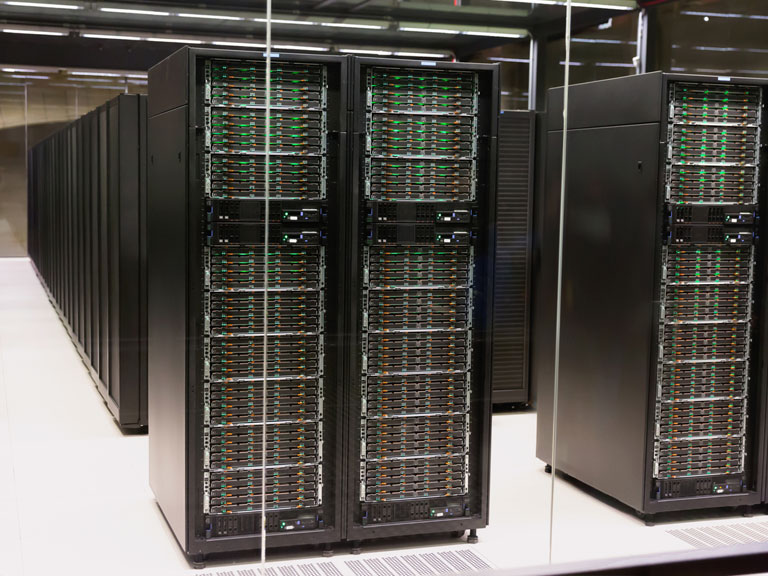
Complying with building codes and industry standards is a necessary part of data center construction, and this applies to cable-tray system design and implementation as well. While the most cost and labor efficient method to cable a data center is the use of a prefabricated cable tray management system, you can’t just bundle as many cables as you’d like and drop them into a run. There are specific rules that must be followed for tray fill capacities.